
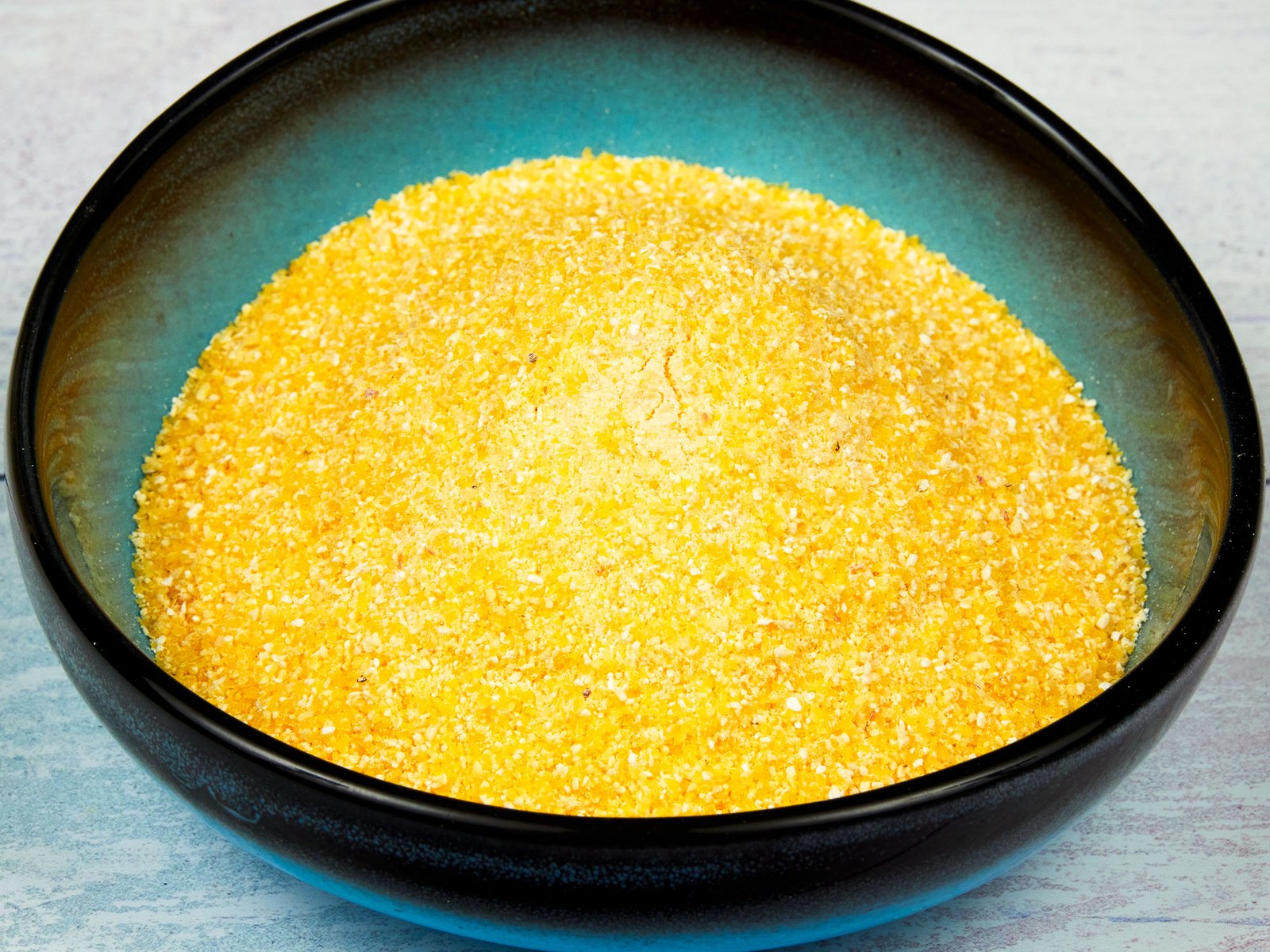
We Romanians are one of the few European nations where polenta is a staple food. This is somewhat surprising, considering that Romania is geographically on the opposite side of the world from the Americas, where corn was initially grown. Yet, over centuries, corn has become an integral part of our culinary identity, deeply embedded in our traditions and culture.
A Journey Across Continents
Corn and polenta have a captivating history in Europe. Maize was first introduced to Spain in 1530 and gradually spread across the continent during the 16th century. The earliest references to polenta in its modern form come from northern Italy, where corn replaced other grains to create a porridge-like dish.
From Italy, corn traveled eastward. Historical records show maize was being cultivated in Croatia by 1611, and by 1692 it had reached Timișoara, in western Romania. From there, it followed the Danube valley, quickly becoming a reliable crop for rural communities.
By the late 19th century, polenta was already a dietary staple for Romanians, especially among the rural population. However, its overconsumption, combined with a lack of dietary diversity, led to health issues such as pellagra, a nutrient-deficiency disease.
Mălai, cornmeal, and polenta: not the same thing
While English speakers often use “polenta” to describe both the dish and the flour it’s made from, Romanian has a more precise vocabulary:
- Porumb – the corn plant and its kernels
- Mălai or mălai grișat – coarsely ground corn used for polenta
- Făină de porumb – finely ground cornmeal, rarely used in Romanian cuisine
For polenta, or mămăliga, Romanians exclusively use mălai. Using finely ground cornmeal instead results in a bland and unappetizing porridge. Many Romanian corn processors don’t even produce cornmeal, so it has to be imported for recipes requiring it.
It’s the grind that makes the difference
To make polenta, you must start with the correct grind of corn. Here’s how the two compare:
- Polenta flour (mălai, coarsely ground) – larger, golden grains that cook into a textured, flavorful polenta.
- Cornmeal (finely ground) – a powdery flour better suited for baking or thickening, not traditional polenta.
As you can see in the image below, there is quite a difference. On the left is mălai, the coarsely ground corn used for polenta, while on the right is cornmeal, the finely ground variety used for other dishes.
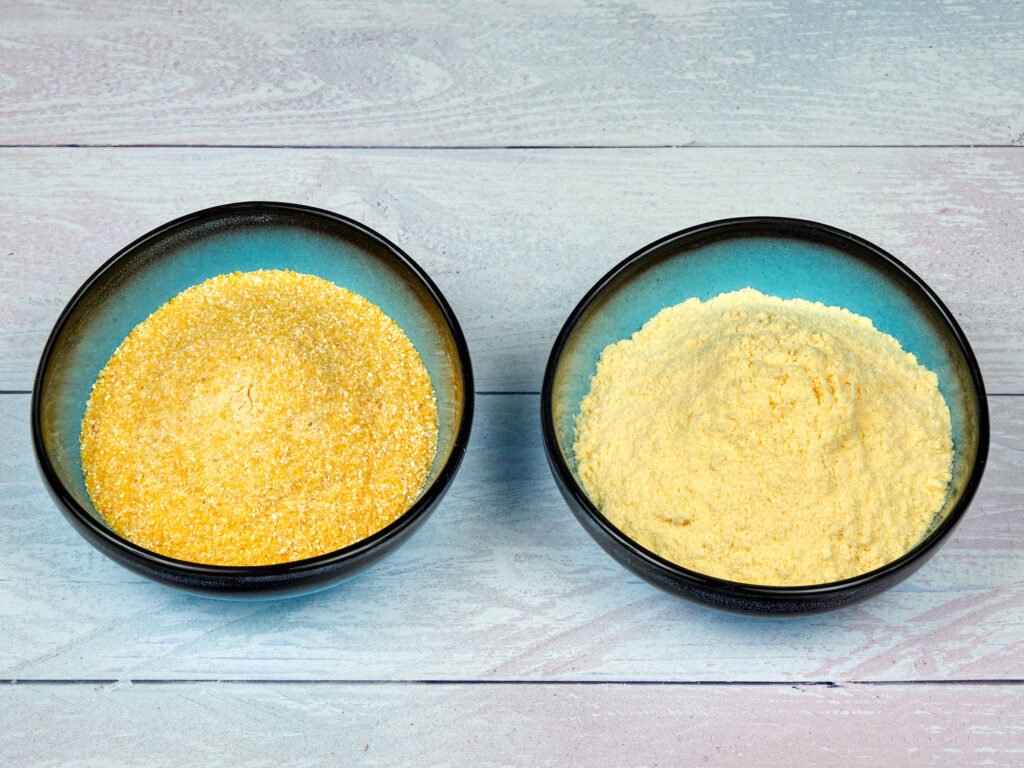
For clarity, I’ll use “coarsely ground corn flour” or “polenta flour” to refer to the mălai used for making polenta, and “cornmeal” for the finely ground variety suited to other dishes.
This distinction is crucial, especially for Romanians, where making polenta is as much about tradition as it is about taste. It’s a simple dish, yet one that tells a rich story of cultural adaptation and culinary ingenuity.